
Find Life Cover Options With Every Detail in Place in Andrews, TX
Share the amount of cover you have in mind, the person you would name and a few basic facts about yourself. From there you see term life and whole life options with the amount, the length and the beneficiary each explained. People in Andrews, Seminole and Midland start the same way, in about two minutes.
- Costs you nothing
- No purchase required
- Each policy part explained
- Answers given once
Coverage options for Andrews families
Answer six short questions and a licensed agent will follow up with options that fit your situation.
- Takes about two minutes
- No obligation to buy
- Your details stay private
Free, no obligation
See your coverage options
Six short questions. About two minutes.
Covering Andrews and Nearby Towns
People in Andrews, Seminole, Midland, Odessa, West Odessa and Eunice all begin with the same handful of questions. Wherever you live, the person who gets back to you is an agent who works in your town, and your options are laid out in the same plain way.
- Andrews
- Seminole
- Midland
- Odessa
- West Odessa
- Eunice
Each town appears on the Service Areas page, along with what every visitor can expect once their answers are sent.
Two Kinds of Policy, Built Differently
Term life runs for a fixed span of years you choose, commonly picked to match how long a mortgage has left or how long children will depend on you. When that span is over, the cover stops. Whole life stays in force for as long as you live, provided the premiums are kept up, and it builds cash value as a feature of the policy that the agent who contacts you can explain. Term Life Insurance and Whole Life Insurance each have their own page with the details particular to that kind.
Term Life Insurance
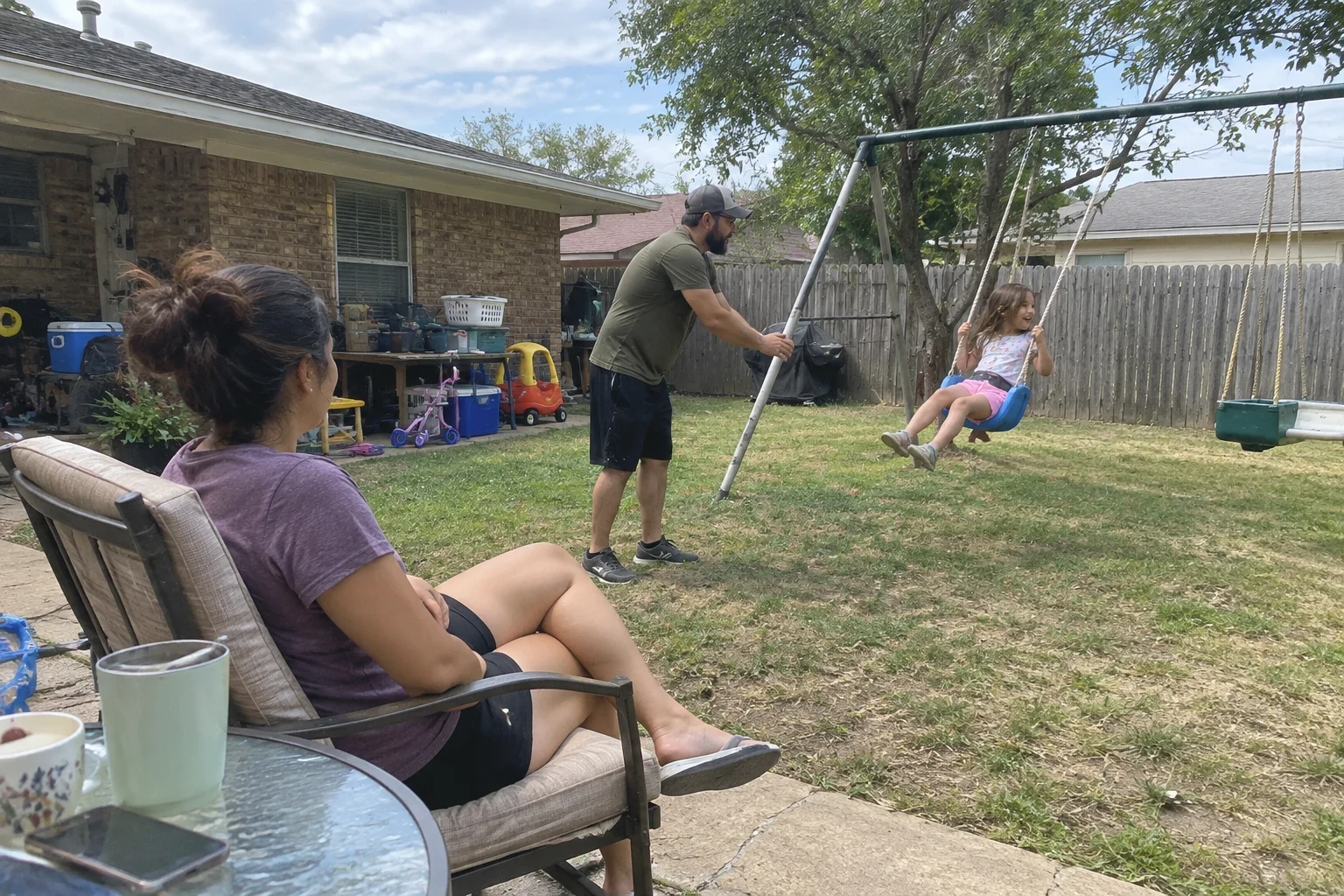
Coverage for a set number of years, often 10, 20 or 30, matched to the stretch of time when your family depends on your income.

Whole Life Insurance
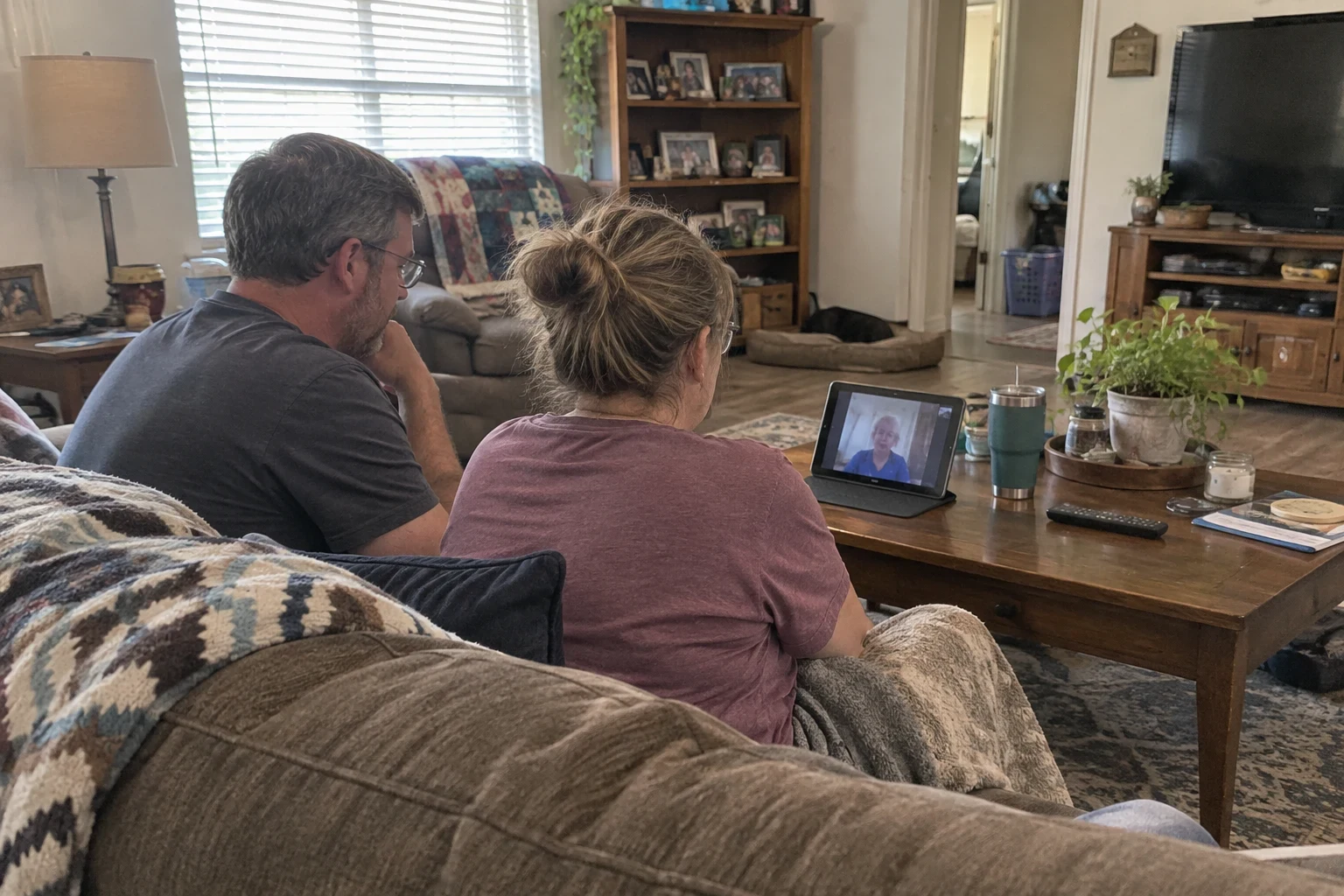
Coverage meant to last for life, with a level premium and a cash value built into the policy, explained part by part.
About Life Insurance Andrews
Life Insurance Andrews is a free service that puts you in touch with a licensed life insurance agent in Texas. We are not an insurance company or an agent. No policy is sold, priced or recommended by us.
Our part is explaining how a policy is put together, in plain terms, so you come to that first conversation knowing which choices need a careful look: the person you name, how long the cover runs and how much it pays. The agent handles the conversation from there, and the final choice is yours.
What Moves the Price of a Policy
The insurance company sets the price, and it alone decides what coverage to offer and whether to approve you. To do that, it looks at a few facts about you and about the policy you ask for. Each one nudges the premium higher or lower.
No price appears here, because none exists until an insurer has read your answers. The agent who contacts you sets out the insurer's figures for each option.
- Your age
- Age on the day the policy starts is one of the first things an insurer checks. Buying the same amount of cover later in life generally costs more, because the insurer expects to pay out sooner.
- Your health
- Health questions, and sometimes a medical exam, show the insurer how much risk it is taking on. Present conditions and past history both shape the price band it assigns.
- Tobacco use
- Insurers ask about tobacco directly. A yes usually lands an applicant in a higher price band than a non-user of the same age and health.
- The amount of cover
- A bigger payout carries a bigger premium. The amount is the one figure you pick yourself, so it pays to work it out before you apply instead of guessing.
- The length of the term
- With term life, a longer span of cover usually means a higher yearly premium than a shorter one. The insurer holds the risk for more years, and the price follows.
- The kind of policy
- For an equal amount, whole life is usually the pricier choice. It never runs out and it carries cash value, and the premium pays for both features.
How It Works, Start to Finish
There are four steps, and only the first one happens here.
- 1
Answer the questions
Give your state, the amount you have in mind, the person you would name and a few facts about yourself through our short form.
- 2
A licensed agent follows up
A licensed agent who covers your town gets in touch. You talk through what the cover is meant to do, and the agent lays out options for you to weigh.
- 3
The application
If you choose to apply, expect health questions and sometimes a medical exam. Some policies skip the exam; those usually cost more or cover less.
- 4
The insurer's decision
The insurance company reviews the application and decides whether to offer cover and on what terms. Once a policy is issued, read it through page by page. Each policy includes a free-look period of no fewer than 10 days; cancel inside that window and the premium you paid is refunded, and the policy itself prints the exact number of days.

Why the Small Parts Get Our Attention
A life policy is a handful of choices that stay fixed for years. How carefully each one is made at the start decides whether the policy does its job later.
- 01
The beneficiary named clearly
A payout goes to the person named on the policy. A full, correct name, spelled the way it appears on that person's ID, saves your family questions at a hard time, so we point it out before you begin.
- 02
Length matched to the need
Cover that ends two years before the mortgage is paid leaves a gap at exactly the wrong point. We set out how people commonly match the length of a policy to the debt or the years it is meant to span.
- 03
Accurate answers from the start
The insurer prices the policy from the answers you give about health and tobacco use. Careful, complete answers help the policy you are offered match the one you were shown. Guesses tend to come back as delays or a different price.
- 04
One set of answers to work from
You answer the questions once. The agent who contacts you starts from what you already said, so the conversation can go straight to the amount, the length and the kind of policy.
Questions People Ask First
- How much life cover do people usually buy?
- No single figure fits everyone. One rule of thumb adds several years of income to whatever debts you carry; use it as a place to start, not as advice for you. As an example, the median household income in Andrews is $78,896, the median home value is $186,700 and 74% of homes are lived in by their owner, so a mortgage often belongs in the sum. A household near those figures wanting ten years of income replaced plus a home loan that size cleared would land on a total far above the value of the house by itself. Your own numbers will give a truer answer.
- Is a life insurance payout taxed?
- Under federal law, a payout to a named person is generally not taxed as income. Circumstances vary from one family to the next, so check with a tax adviser about your own case before relying on it.
- Do I have to buy anything after answering the questions?
- No, there is no obligation. You can look over the options, ask what each part of a policy does and stop there if you like.
- Why do people buy life insurance?
- Common reasons include replacing income a family depends on, clearing a mortgage, paying for children's costs, covering a funeral and leaving money to relatives. Once you know which of these the cover is for, settling the amount and the length gets much simpler.
- What should I have ready before I start?
- Your date of birth, your marital status, the amount of cover you are thinking about and the full name of the person you would choose as beneficiary. A rough list of debts helps as well, since it shapes the amount, and so does knowing how many years your largest debt still has left.
- Who sees the answers I send?
- The details you send are passed to licensed insurance agents and partner companies so they can reply. Sending them means you agree to be contacted by call, text and email at the number you give, including by automated or pre-recorded means. That agreement is never required to buy a policy, and you may take it back whenever you choose. The Privacy Policy covers the rest.
Get the Small Choices Right From the Start
Answer a few questions now and weigh your options when the agent contacts you. The decision stays yours, made at your own pace.